Professional Wasp, Hornet & Yellow Jacket Nest Removal Services
Wasp, Hornet and Yellow Jacket nest Removal Expert servicing Southeastern Pennsylvania, and surrounding areas of Maryland and Delaware.
Have you discovered a wasp nest, hornet nest, yellow jacket infestation, or other stinging insect problem on your property?
Hornet King provides professional identification and removal services for wasps, hornets, yellow jackets, and other stinging insects throughout Lancaster, Chester, York, Berks, Lebanon, Dauphin, Cumberland, Perry, and Adams Counties, as well as surrounding areas of Maryland and Delaware.
From large aerial nests hanging in trees to yellow jacket colonies hidden underground, inside walls, or within attics and other structural cavities, Hornet King helps property owners identify and address stinging insect problems in homes, businesses, farms, outbuildings, trees, and other difficult-to-reach locations.
24/7 Emergency Services Available

What Type of Wasp or Nest Have You Found?
Not all wasps build the same type of nest.
The appearance and location of a nest can provide important clues about the species involved. Some wasps construct large enclosed paper nests high in trees, while others build open-comb nests beneath structures. Some species establish colonies underground, while others build nests inside walls, attics, chimneys, hollow trees, and other enclosed spaces.
If you are not sure what you have found, start with our complete Wasp Nest Identification Guide Click Here!

Wasp, Hornet, Yellow Jacket & Other Stinging Insect Removal Services
Bald-Faced Hornet Nest Removal
Bald-faced hornets construct large enclosed aerial nests made from layered paper material. The outer envelope surrounds and protects the internal comb where the colony raises its young.
These distinctive gray or tan nests are commonly found suspended from trees, shrubs, roof overhangs, eaves, and other elevated locations.
Learn More About Bald-Faced Hornet Removal Click Here!

Yellow Jacket Ground Nest Removal
Some yellow jackets build their nests underground in abandoned animal burrows, natural cavities, and other spaces beneath the soil.
A small hole in the ground may be the only visible sign of a much larger colony below the surface.
Repeated yellow jacket activity entering and exiting the same opening may indicate a subterranean nest.
Learn More About Yellow Jacket Ground Nest Removal CLICK HERE

Yellow Jacket Nest Removal Inside Your Home
Yellow jackets may establish colonies inside wall voids, attics, ceilings, soffits, rooflines, and other concealed structural spaces.
The nest itself may be completely hidden.
Homeowners may instead notice yellow jackets entering cracks in the exterior, emerging from walls, appearing inside the home, or repeatedly flying around a specific part of the structure.
Learn More About Yellow Jacket Nest Removal Inside Your Home CLICK HERE!

European Hornet Nest Removal
European hornets are cavity-nesting wasps.
In natural environments, they may establish nests inside hollow tree trunks and other enclosed cavities. Around homes and businesses, they may also nest inside wall voids, attics, chimneys, soffits, roofline cavities, sheds, barns, and other structures.
The colony may be hidden from view, with hornets repeatedly entering and exiting a small opening.
Learn More About European Hornet Nest Removal CLICK HERE!
Paper Wasp Removal
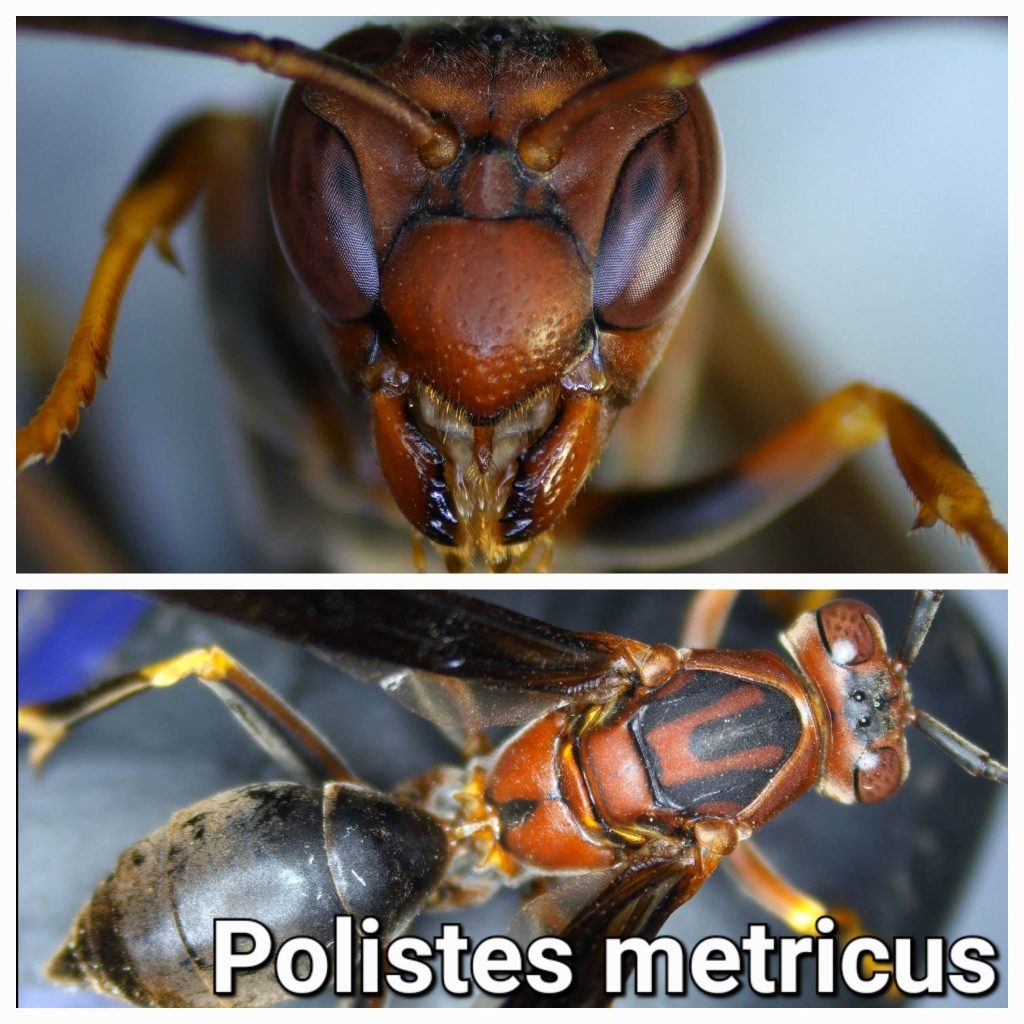
Paper wasps construct distinctive open-comb nests.
Unlike the enclosed nests of many yellowjackets and bald-faced hornets, paper wasp nests expose their hexagonal cells and are often attached to a surface by a narrow stalk.
These nests are commonly found beneath roof overhangs, eaves, porch ceilings, decks, sheds, barns, and other protected areas.
Learn More About Paper Wasp Removal CLICK HERE!

Not Sure What You Found?
Start With Wasp Nest Identification
A nest hanging from a tree is different from a nest inside a wall.
An open-comb nest beneath a porch is different from an enclosed paper nest.
A small hole in the ground may lead to a subterranean yellow jacket colony, while a large wasp repeatedly entering a hollow tree may indicate a cavity-nesting species.
Our Wasp Nest Identification Guide helps you compare the appearance and location of the nest you have found with common wasp, hornet, and stinging insect nesting behaviors.
IDENTIFY YOUR WASP NEST CLICK HERE!
Where Do Wasps Build Their Nests?
Wasps and hornets can establish colonies in many different locations.
Aerial Nests
Large enclosed nests may be suspended from trees, shrubs, rooflines, eaves, and other elevated locations.
Learn About Bald-Faced Hornet Nests
Underground Nests
Some yellowjackets build colonies below the soil surface, often using abandoned burrows or natural underground cavities.
Cicada killers excavate individual underground burrows.
Learn About Yellow Jacket Ground Nests
Learn About Cicada Killer Burrows
Structural Nests
Wasps may establish colonies inside walls, attics, ceilings, soffits, chimneys, rooflines, sheds, barns, and other enclosed areas.
The nest may be hidden while wasp activity remains visible around a small entrance.
Learn About Yellow Jacket Nests Inside Homes
Learn About European Hornet Nests
Open-Comb Nests
Paper wasps construct exposed open-comb nests beneath protected surfaces such as eaves, porches, decks, and other structures.
Learn About Paper Wasp Nests
Hornet King Wasp & Stinging Insect Resource Center
Learn to Identify the Wasps Around You
Wasps, hornets, and yellow jackets are not all the same.
Different species build different types of nests, live in different environments, display different behaviors, and may require different approaches.
The Hornet King resource center is designed to help property owners learn more about:
- Wasp species
- Hornet species
- Yellow jackets
- Paper wasps
- Wasp nest identification
- Wasp nesting behavior
- Underground nests
- Structural infestations
- Aerial nests
- Stinging insect removal
Explore our species and service pages to learn more about the insects and nesting situations you may encounter around your home or property.
EXPLORE THE HORNET KING RESOURCE CENTER
See Hornet King in Action
Real wasp and hornet situations can be difficult to understand from photographs alone.
Hornet King provides real-world educational content showing different wasp species, nests, nesting behaviors, and removal situations.
Explore videos featuring:
Bald-faced hornet nests
Yellow jacket colonies
European hornets
Paper wasps
Underground nests
Difficult-to-reach infestations
Other stinging insect situations
WATCH MORE HORNET KING VIDEOS
Professional Wasp Removal Throughout Our Service Area
Hornet King provides professional wasp, hornet, yellow jacket, and stinging insect removal throughout:
Hornet King also serves surrounding areas of Harford, Maryland and New Castle, Delaware.
Explore our service-area pages to learn more about professional stinging insect removal in your area.

Why Choose Hornet King?
Real-World Wasp Expertise
Every nest and infestation is different.
The species involved, the location of the nest, the structure or environment surrounding the colony, and the accessibility of the infestation can all affect the situation.
Hornet King specializes in identifying and addressing a wide variety of wasp, hornet, yellow jacket, and other stinging insect situations.
From a large aerial nest in a tree to a hidden colony inside a wall, attic, chimney, or underground cavity, Hornet King brings real-world experience to difficult stinging insect problems.
5.0 Rated on Google
Need a Wasp, Hornet, or Yellow Jacket Nest Removed?
Whether you have identified the nest or are unsure what you have found, Hornet King can help.
Call or text to discuss your stinging insect problem and schedule service.