Bald-Faced Hornet Removal
Bald-Faced Hornet Nest Removal by Hornet King
Bald-faced hornets are one of the most recognizable—and often intimidating—stinging insects found throughout Pennsylvania and the surrounding region. Their large, enclosed, paper-like nests can appear in trees, shrubs, along buildings, under roof overhangs, and in other elevated locations around homes and businesses.
If you have discovered a bald-faced hornet nest on your property, Hornet King provides professional bald-faced hornet nest removal services throughout Southeastern Pennsylvania and surrounding areas of Maryland and Delaware.
Do not disturb an active nest. Bald-faced hornets are highly defensive when their nest is threatened and can sting repeatedly while defending their colony.
What Is a Bald-Faced Hornet?
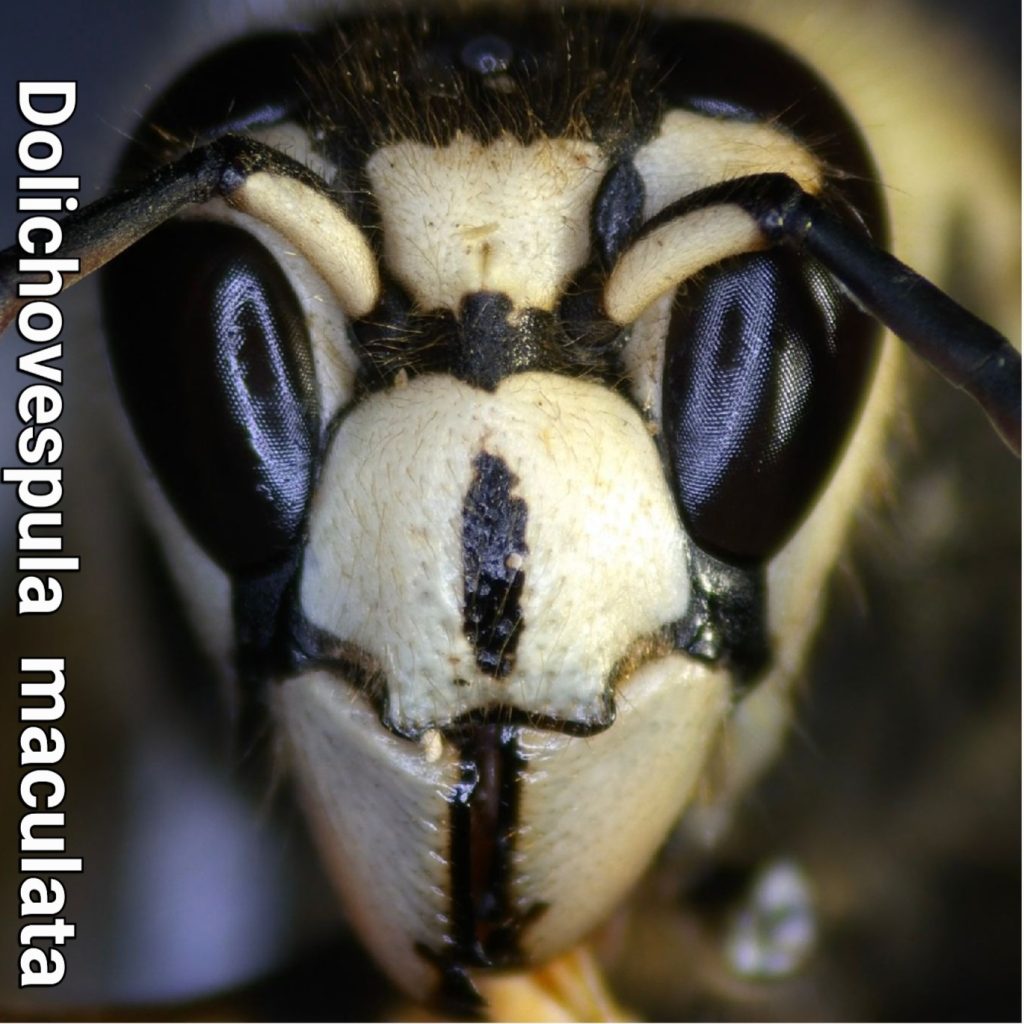
The bald-faced hornet (Dolichovespula maculata) is not technically a true hornet. It is a species of aerial yellowjacket belonging to the wasp family Vespidae.
The name “bald-faced” comes from the insect’s distinctive white markings on its face. Adult bald-faced hornets are primarily black with contrasting white or pale markings on the face and abdomen, making them easy to distinguish from the yellow-and-black coloration of many other yellowjacket species.
Bald-faced hornets are also known for constructing some of the most recognizable nests of any North American wasp. Their nests are made from chewed wood fibers mixed with saliva, creating a layered paper-like structure that is typically gray, tan, or brown in appearance.
What Does a Bald-Faced Hornet Nest Look Like?
A bald-faced hornet nest is usually a large, enclosed, football-shaped or oval-shaped paper nest suspended above the ground.
Common nest locations include:
- Trees and tree branches
- Shrubs and bushes
- Roof overhangs and eaves
- Sheds and outbuildings
- Utility poles and other elevated structures
- Areas attached to or near homes and businesses
The nest has a single entrance, commonly located near the bottom of the nest. As the colony grows throughout the season, the nest can become surprisingly large.
Early in the season, a bald-faced hornet nest may begin as a small, open structure. As the colony develops, the hornets build additional layers of paper around the nest, creating the familiar enclosed appearance.
Are Bald-Faced Hornets Dangerous?
Bald-faced hornets are beneficial predators that help control many other insects. However, an active colony can become a serious problem when the nest is located near areas where people or pets regularly walk, work, play, or spend time.
Unlike many solitary wasps, bald-faced hornets live in social colonies and actively defend their nest. When the nest is disturbed or threatened, multiple workers may emerge to defend the colony.
A nest located near:
- A front door or walkway
- A deck or patio
- A children’s play area
- A driveway
- A pool
- A business entrance
- A farm or work area
- A frequently used yard or outdoor space
may require professional removal to safely eliminate the hazard.
Bald-Faced Hornet Nest Removal
Hornet King specializes in the removal of active bald-faced hornet nests and other stinging insect infestations.
Every situation is different. A nest located high in a tree may require a different approach than a nest attached to a home, building, outbuilding, or other structure. Hornet King evaluates the location, accessibility, activity level, and surrounding conditions before determining the safest and most effective removal approach.
Our bald-faced hornet removal services may include:
- Active bald-faced hornet nest removal
- Large bald-faced hornet nest removal
- Nests located in trees
- Nests located near homes and businesses
- Nests attached to buildings and structures
- Difficult-to-reach nest removal
- Emergency stinging insect removal
Should You Remove an Old Bald-Faced Hornet Nest?
Bald-faced hornet colonies are annual colonies. Once the colony has died, the nest is not typically reused the following year.
However, an old-looking nest may still contain active hornets, particularly before the end of the season. The exterior of a nest does not always tell you whether the colony is active.
If you are unsure whether a bald-faced hornet nest is active, avoid disturbing it and contact a professional for an evaluation.
Bald-Faced Hornets vs. Yellowjackets
Many people are surprised to learn that bald-faced hornets are actually a type of aerial yellowjacket rather than a true hornet.
They are commonly identified by:
- Black bodies
- White markings on the face
- White markings near the end of the abdomen
- Large enclosed paper nests
- Nests commonly suspended above the ground
The term “hornet” remains widely used because of the insect’s appearance, size, and defensive behavior. Whether you call them bald-faced hornets, bald face hornets, or black-and-white yellowjackets, an active colony near your home or property should be treated with caution.
Have You Found a Bald-Faced Hornet Nest?
If you have found a bald-faced hornet nest on your property, do not hit, shake, spray, or otherwise disturb the nest.
Take a picture from a safe distance if possible and contact Hornet King for professional bald-faced hornet nest removal.
Hornet King serves customers throughout Lancaster, Chester, York, Berks, Lebanon, Dauphin, Cumberland, Perry, and Adams Counties, as well as surrounding areas of Maryland and Delaware.
Need a bald-faced hornet nest removed?
Call or text Hornet King today to schedule professional stinging insect removal service.
Hornet King — Professional Bald-Faced Hornet & Wasp Nest Removal
